
The soil
before the plate.
Every ingredient at Souk has a postcode. We source directly from cooperatives and family farms across Morocco — not distributors, not wholesalers.
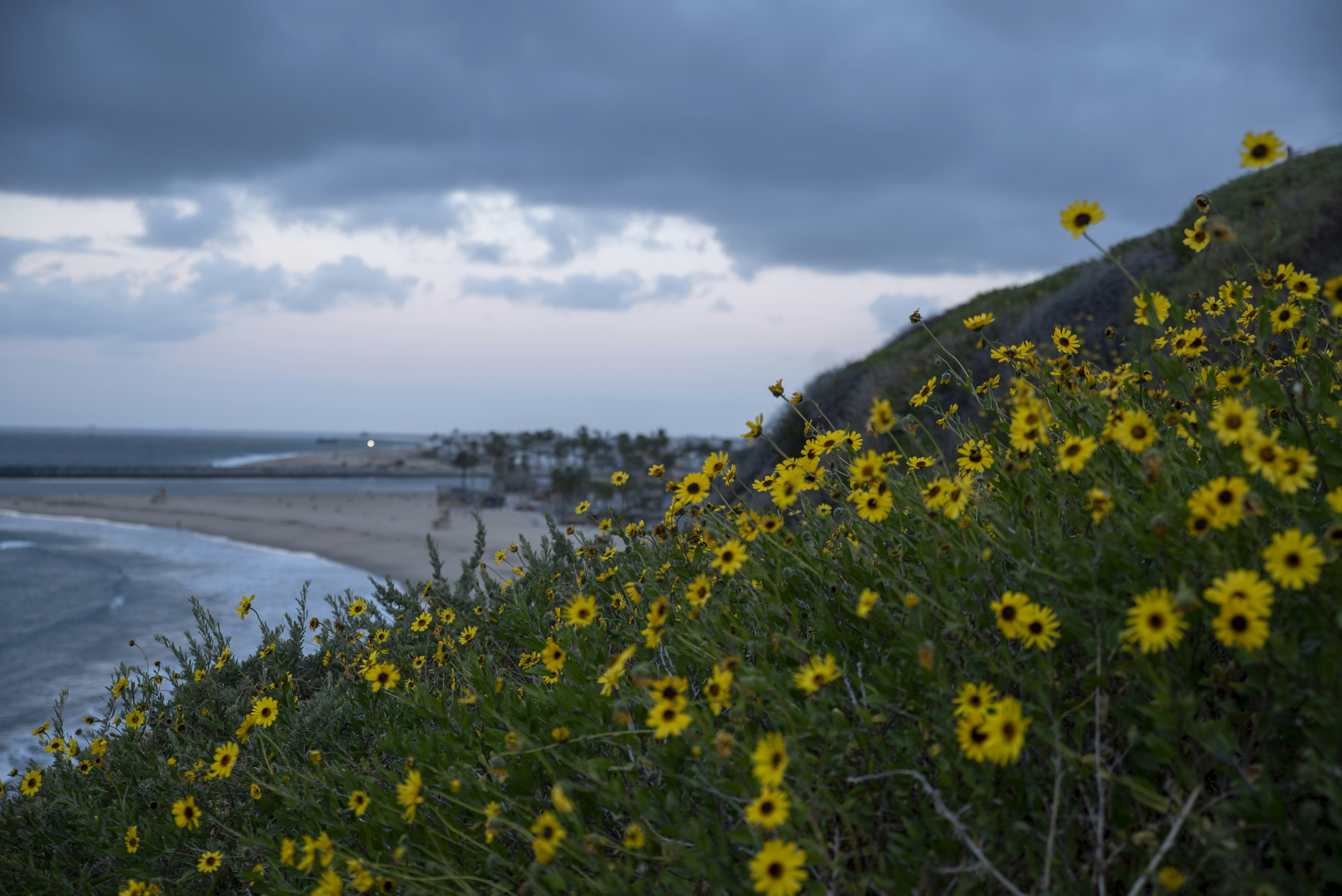
Taliouine
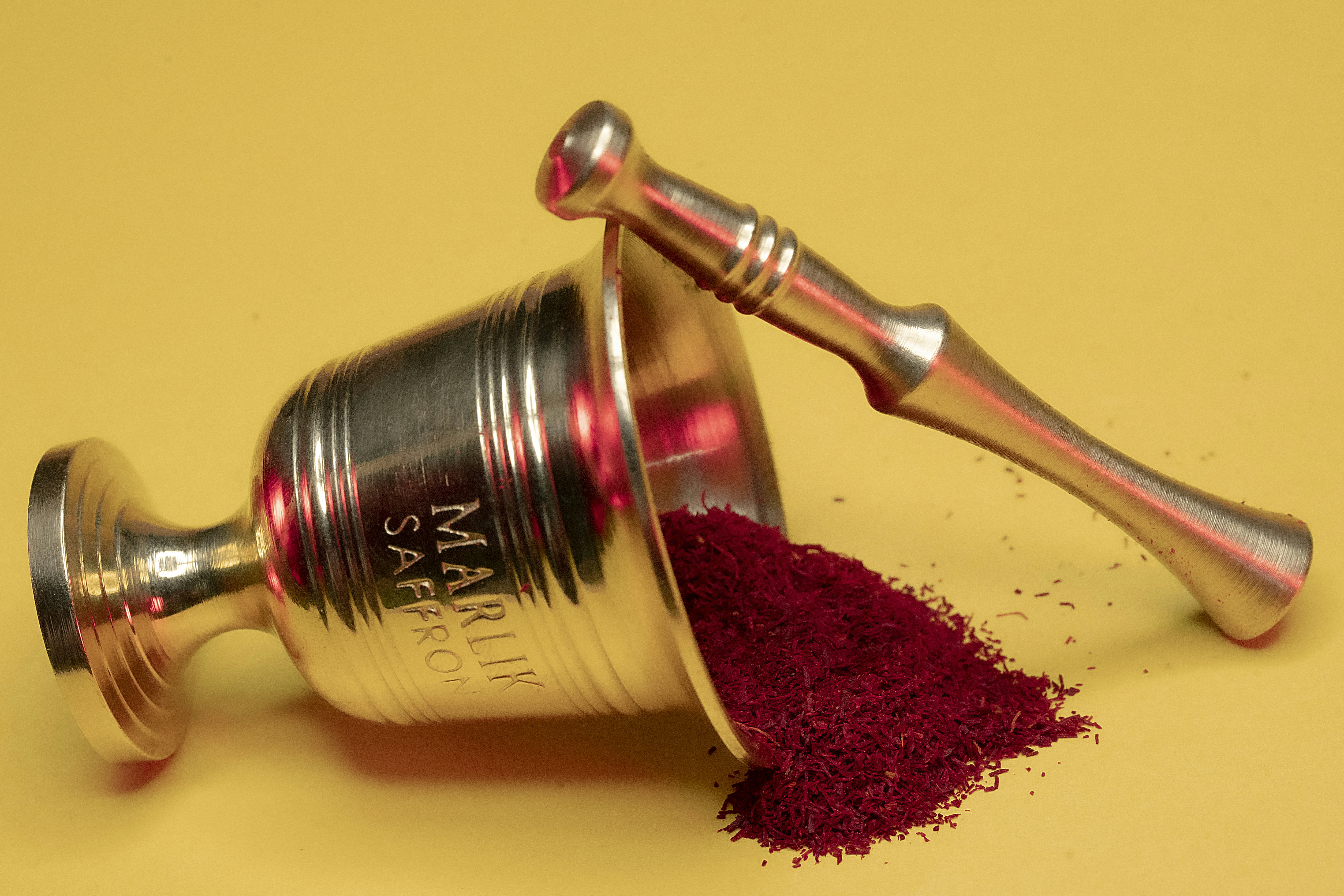
Our saffron arrives weekly. Harvested at dawn when petals are still closed, between October and November, on the Souktana plateau at 1,400 metres. More than 235 flowers yield one gram of dried stigmas. Protected Geographical Indication.
Safranal concentration 50% higher than Iranian varieties.
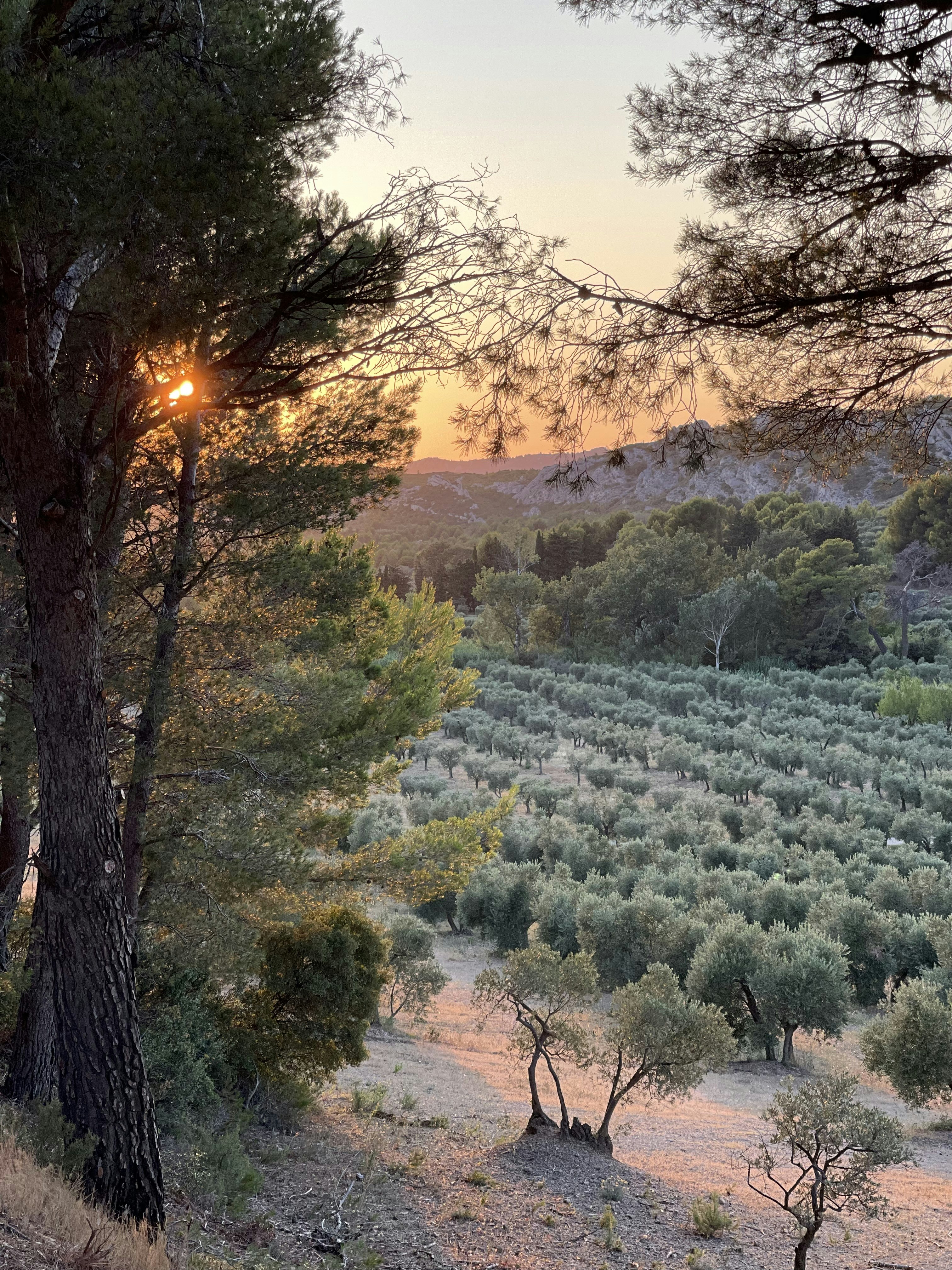
Meknes
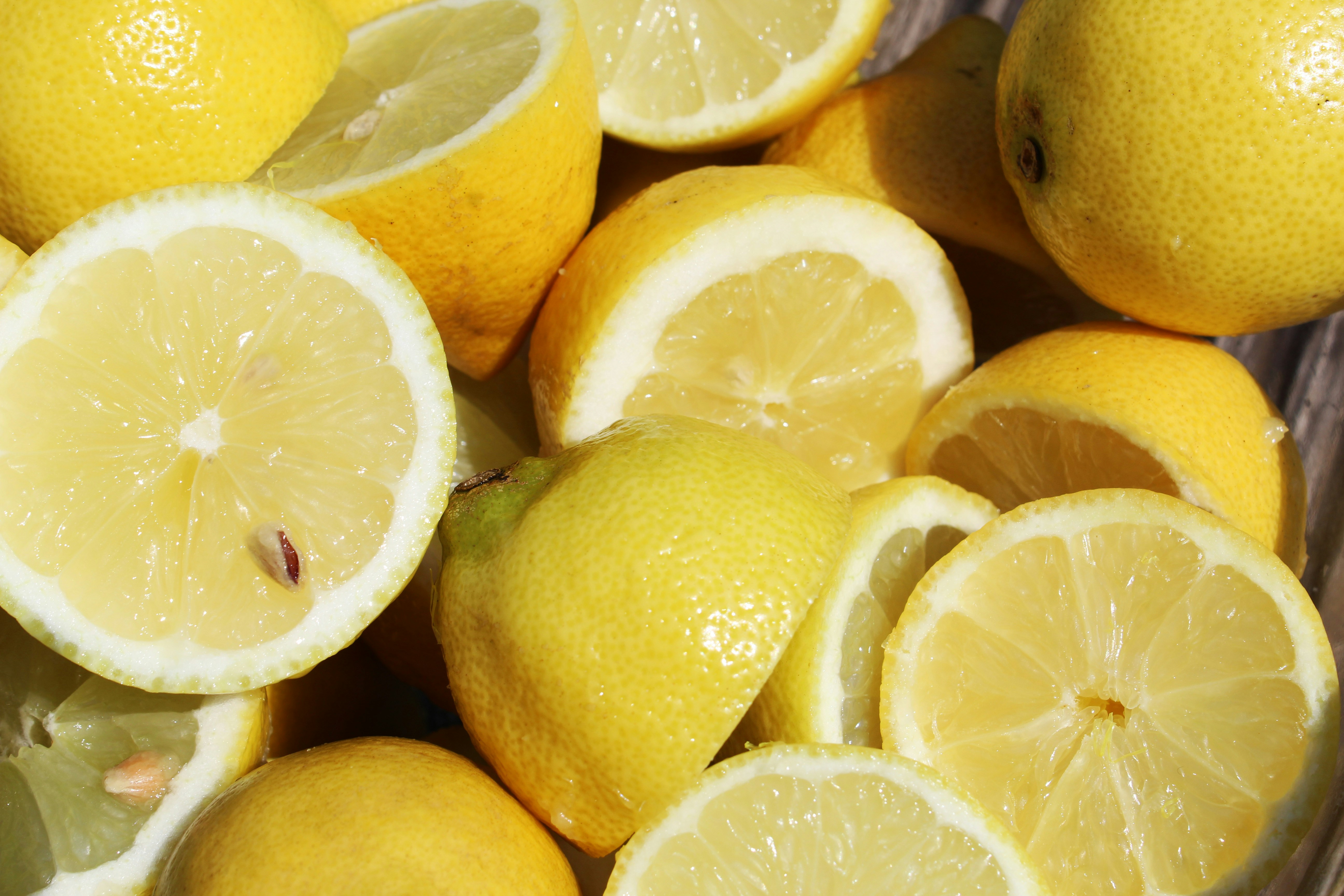
The Saïss plain surrounding Meknes is Morocco's breadbasket. Our preserved lemons ferment in brine made from Meknes olive oil and Saïss salt. Our lamb comes from small farms in the foothills east of the city.
Olives cold-pressed within 4 hours of harvest.
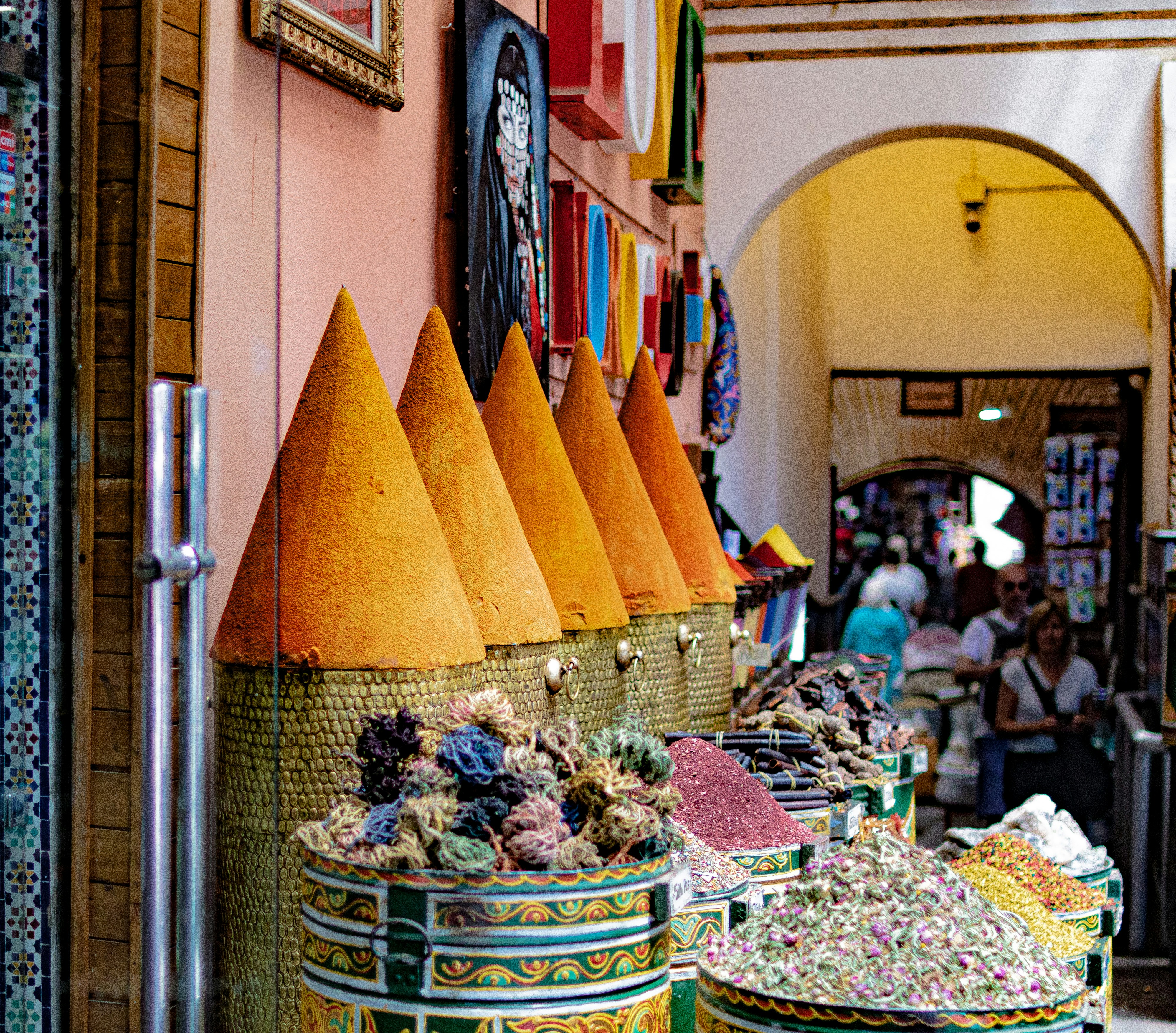
Ouarzazate
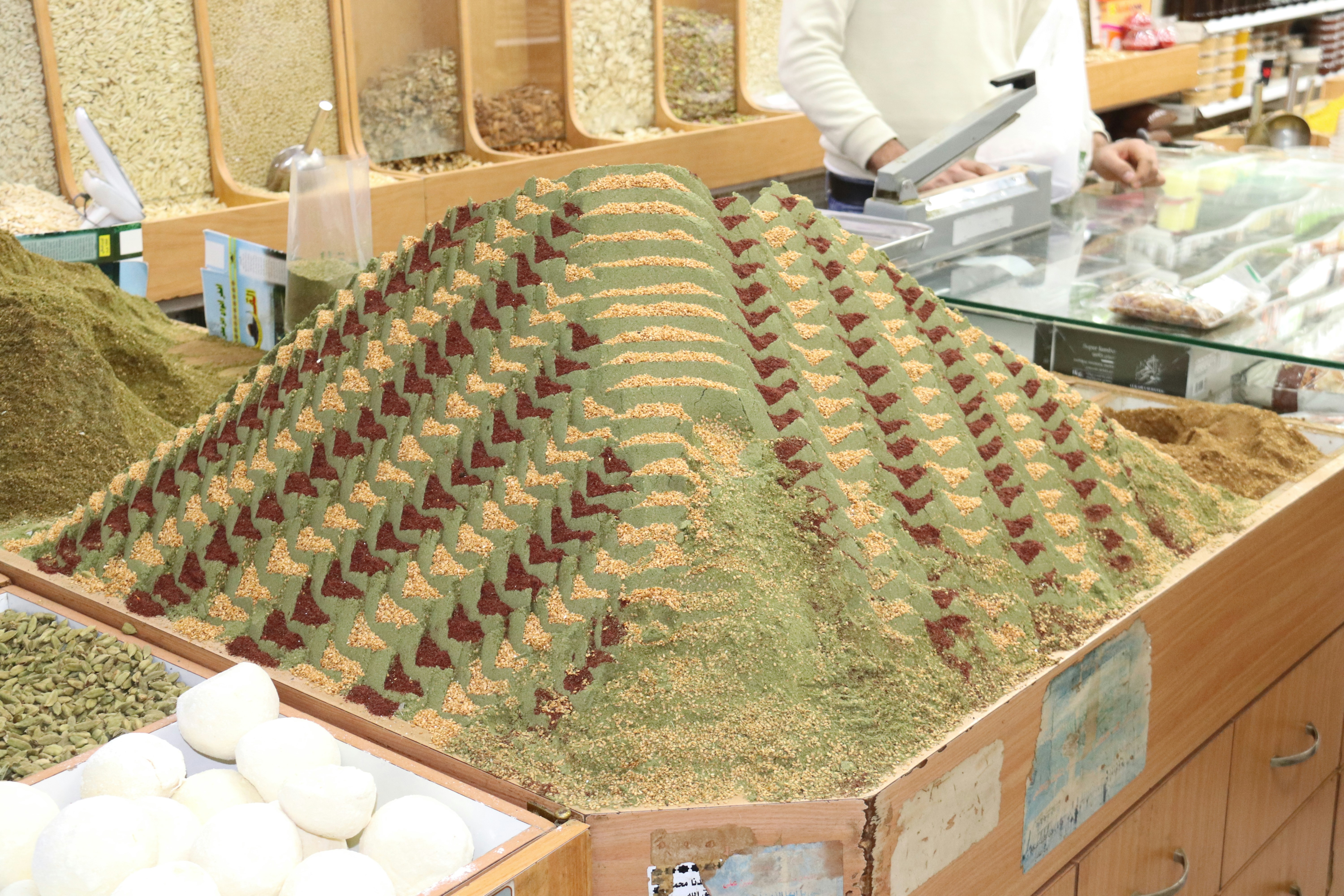
Rose water, dried rose petals, and ras el hanout components — cardamom, mace, dried ginger — sourced from Berber cooperatives in the valleys between Ouarzazate and Skoura.
Ras el hanout: 27 spices, one family recipe.
Seven hours.
One tagine.
The charcoal is lit.
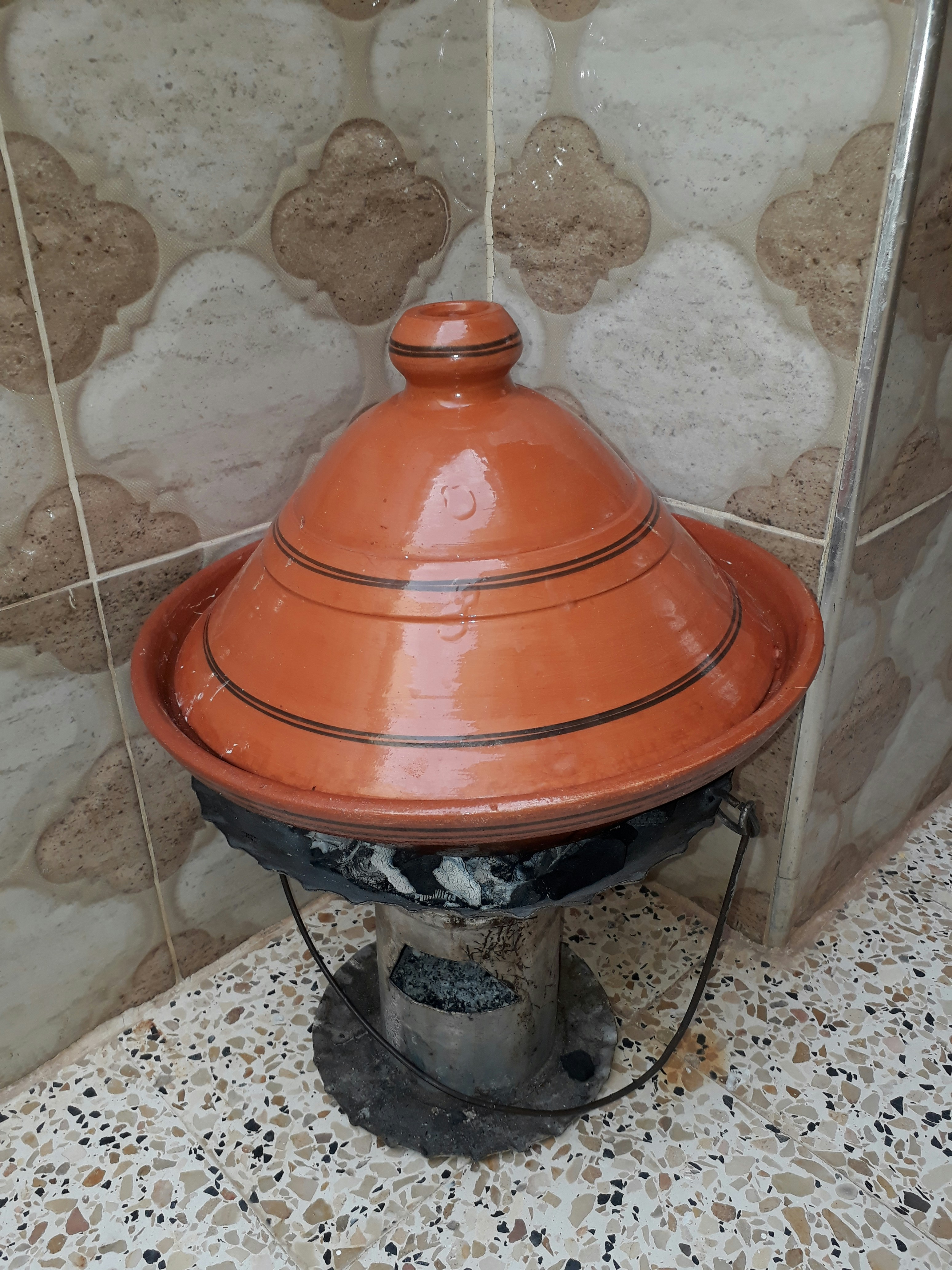
Hardwood charcoal — never gas — reaches temperature over two hours before the first tagines are placed. The clay vessels are seasoned weekly with olive oil.
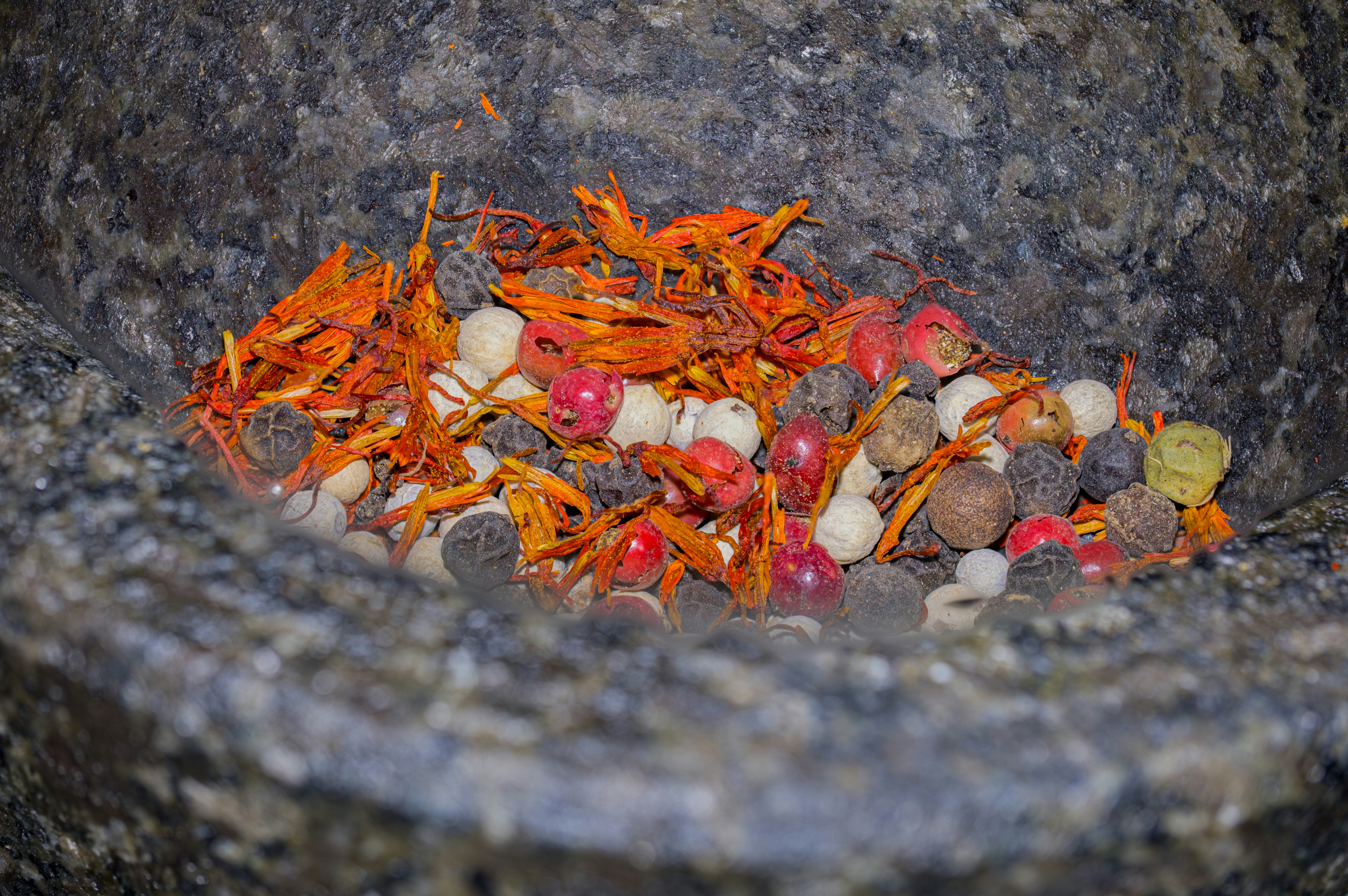
Spices are ground.
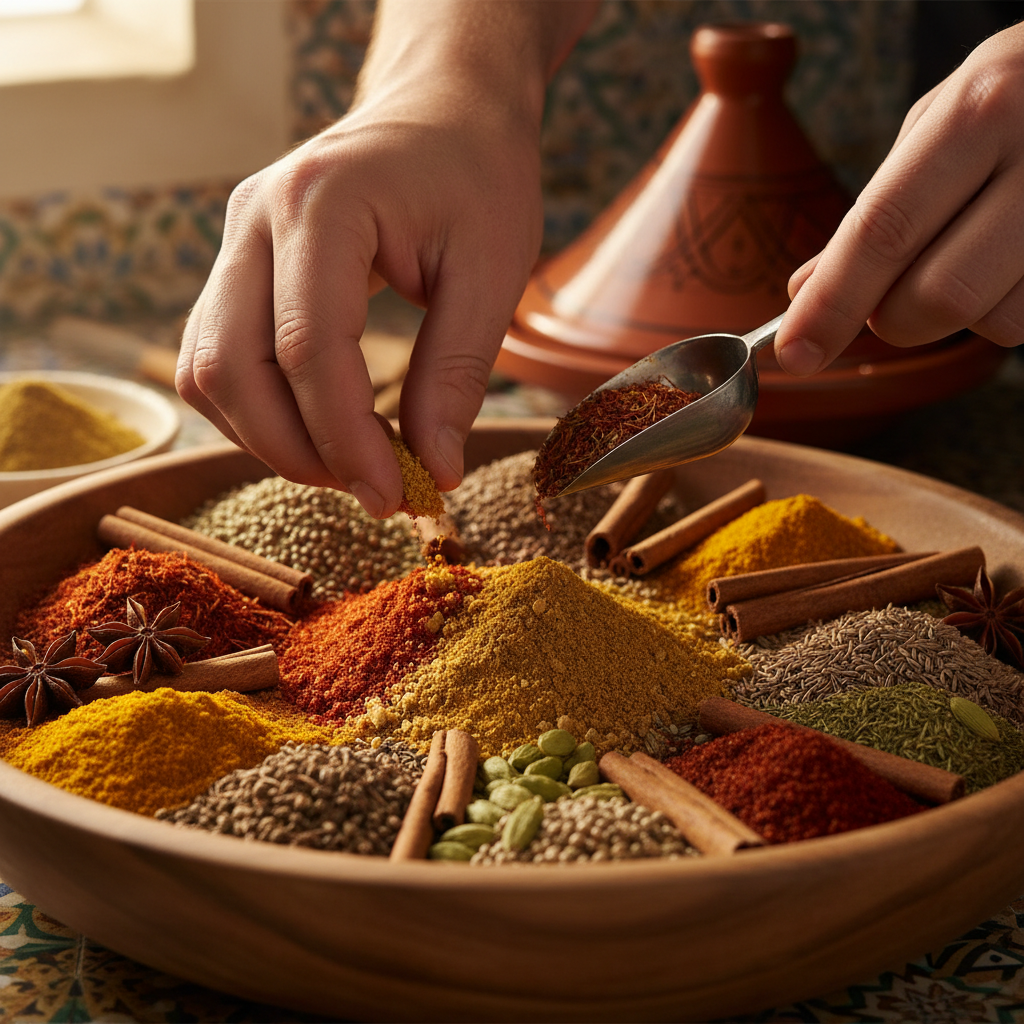
Cumin, coriander, cinnamon, ginger — ground each morning. Saffron threads are steeped separately in warm water for forty minutes before being added to each tagine individually.
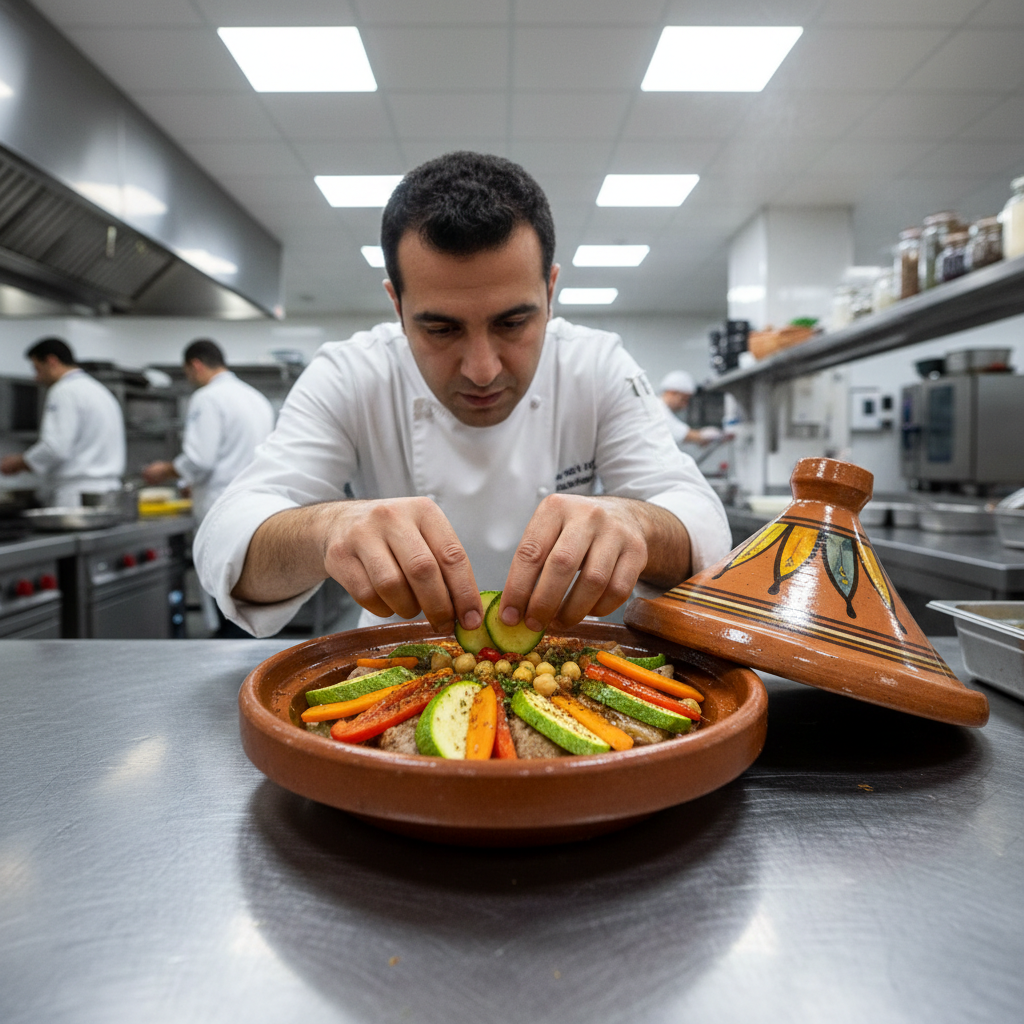
Seven hours later.
The tagine lid is lifted for the first time. Collagen has dissolved into silk. The broth holds every spice in suspension. A chef's grandmother's handwritten card — faded, oil-stained — is pinned above each station.

The table is set.
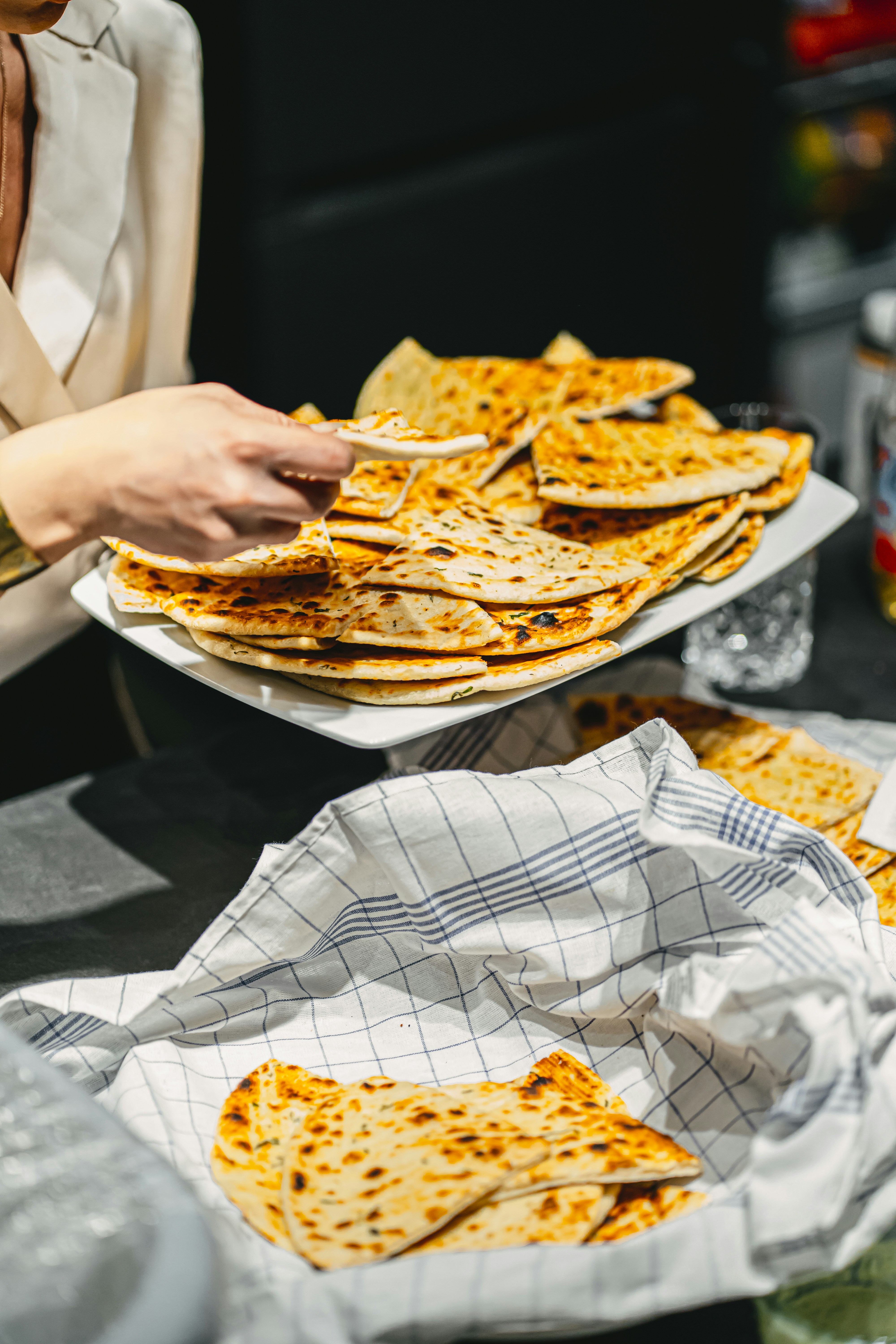
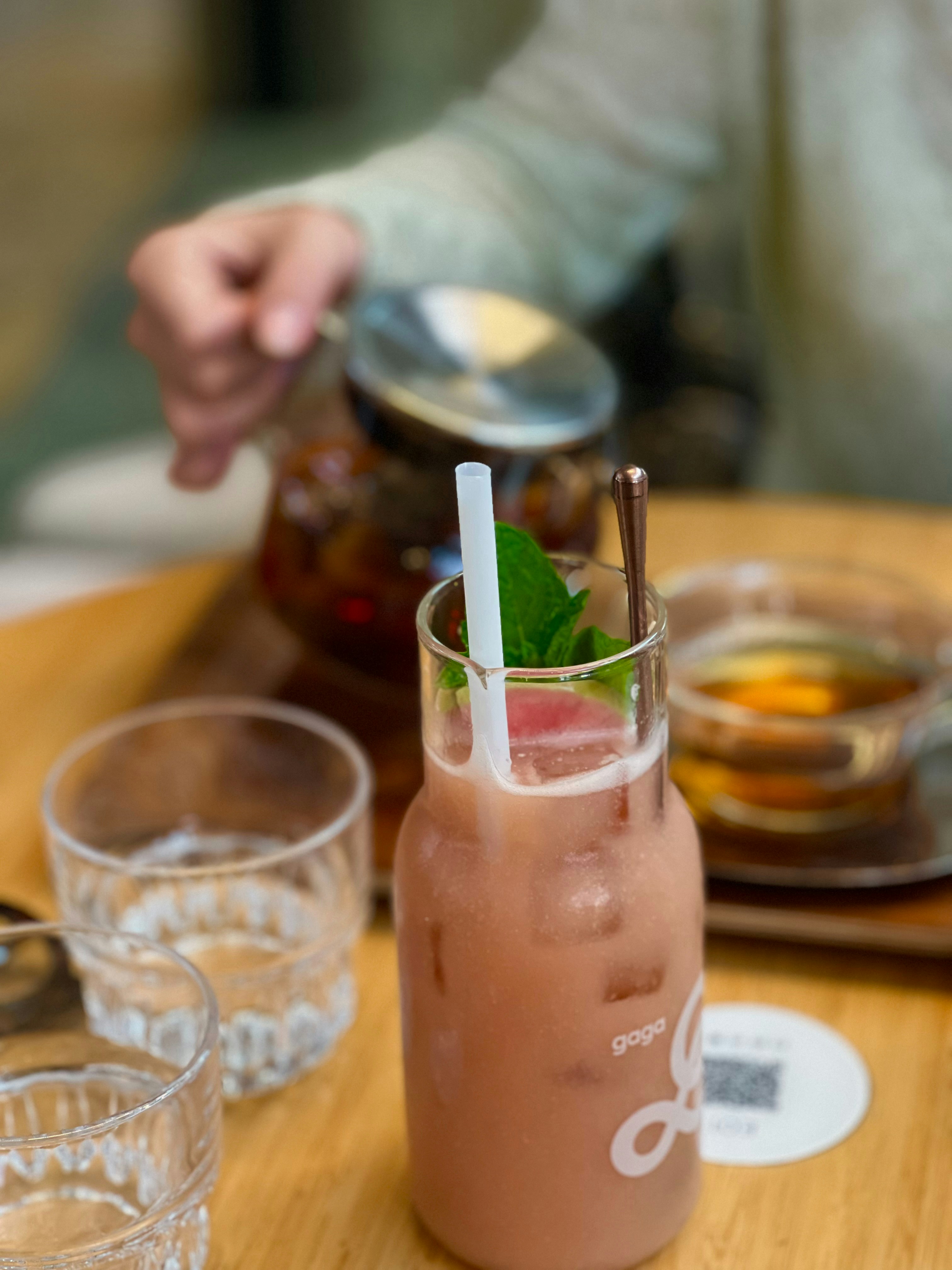
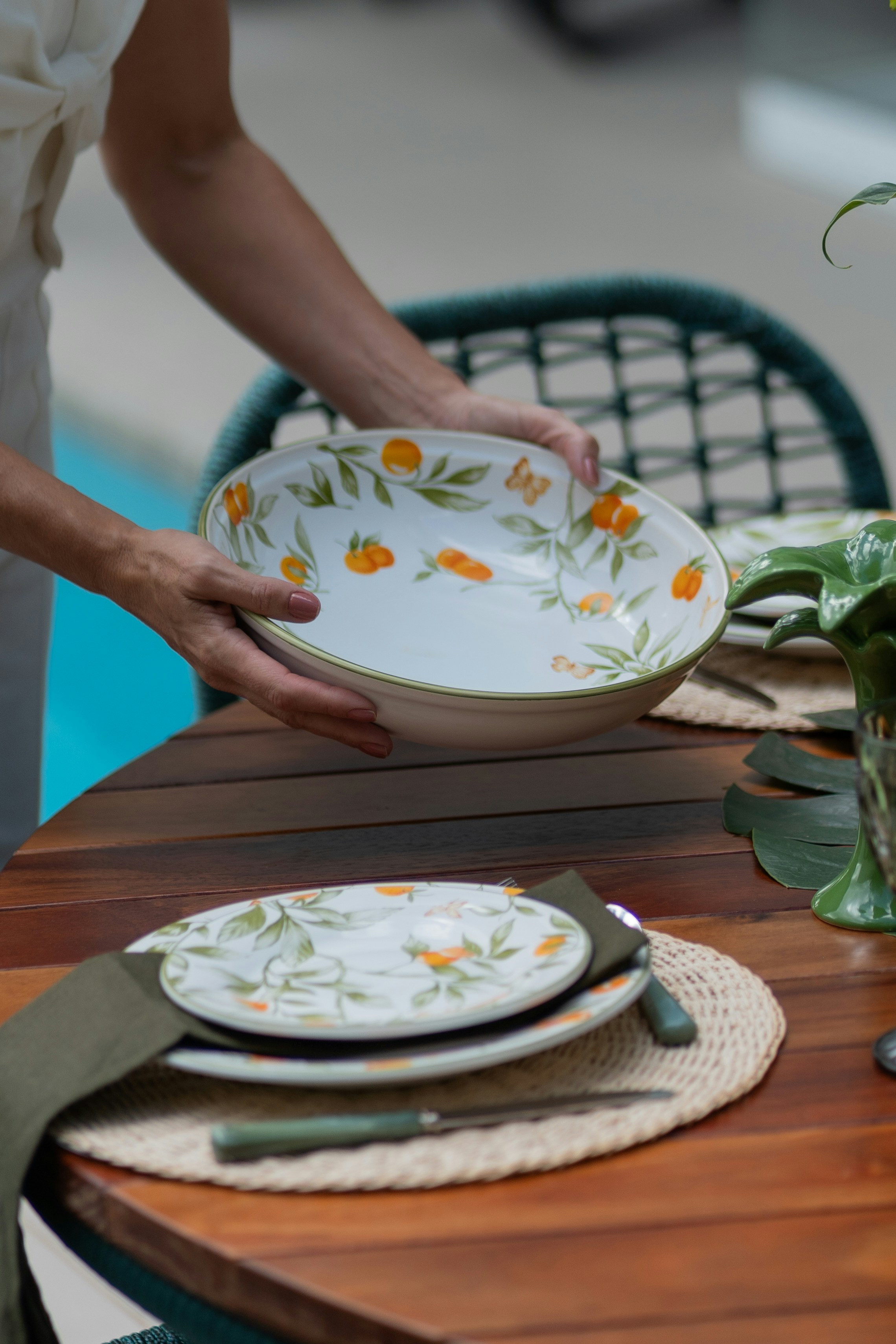
Copper serving dishes are warmed. Msemen bread is torn, not cut. Mint tea is poured from height. Orange blossom water is offered before the first course arrives.
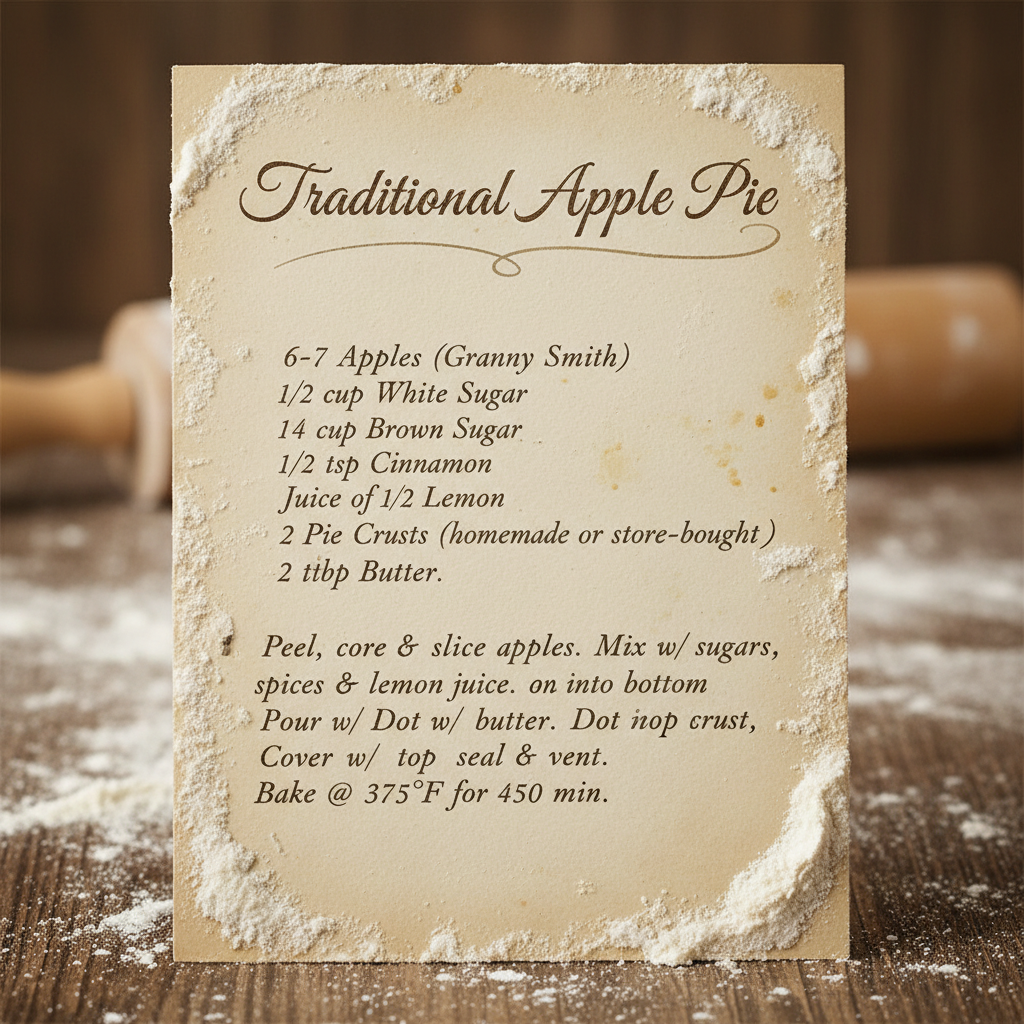
Grandmother Fatima's
tagine méchoui.
The original recipe — written in Darija, annotated in French — hangs above every station in our kitchen. We have not changed a single proportion since 1987.
The table
is already yours.
Anniversary Evenings
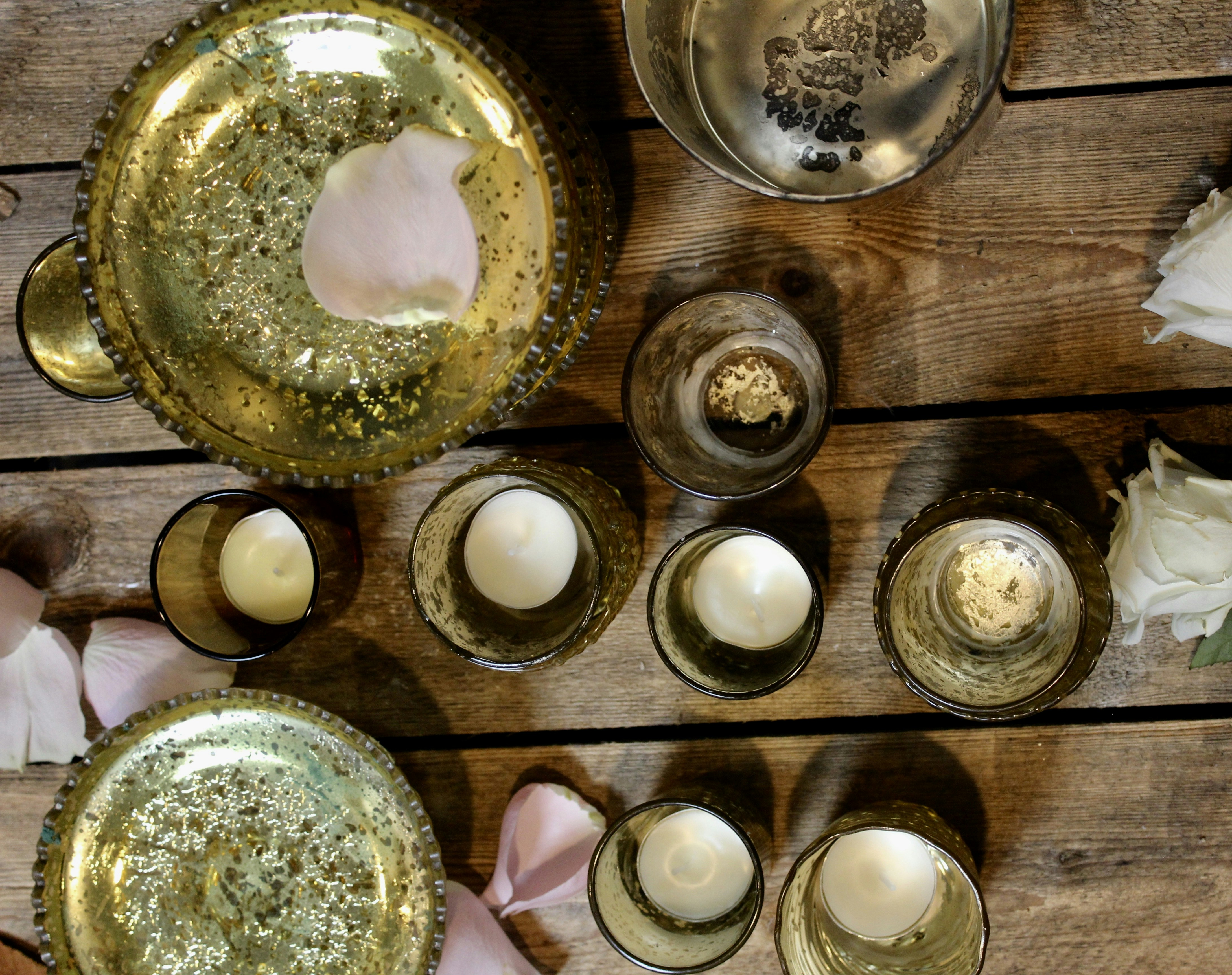
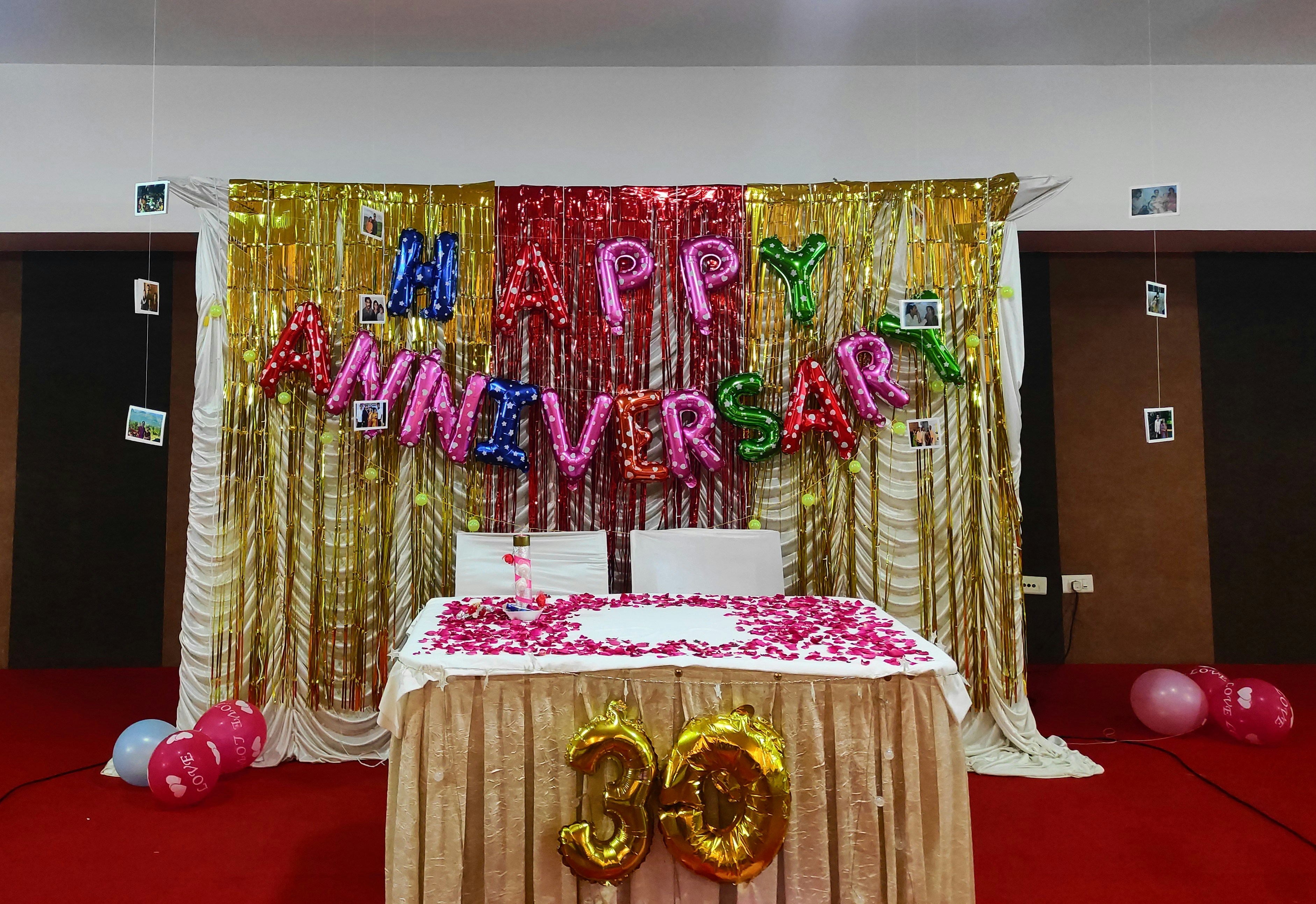
A table dressed in antique brass, candlelight, and rose petals. A menu curated around your evening — not a fixed tasting sequence. We begin with orange blossom water and end when you choose to leave.
Reserve a TablePrivate Dining
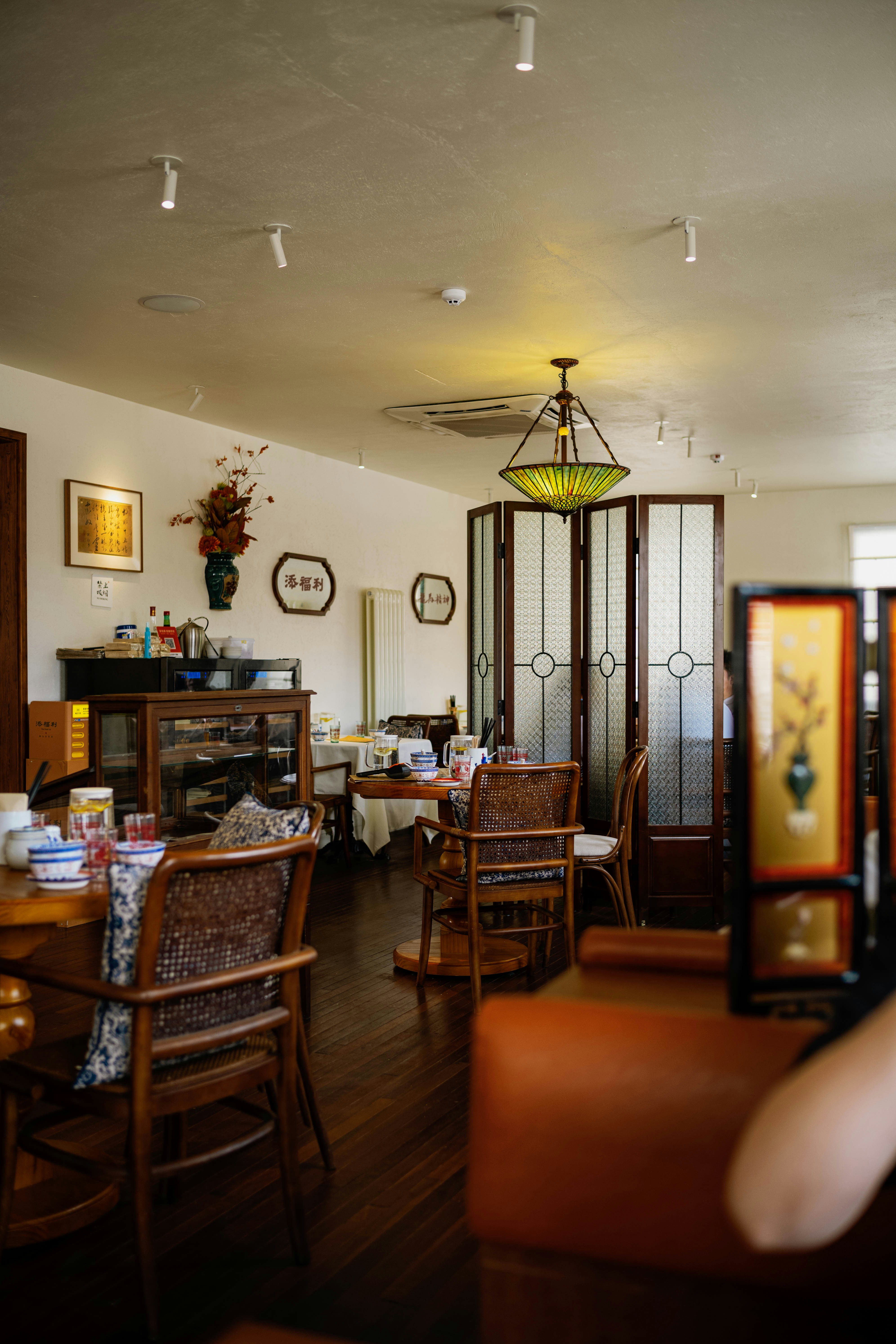
The cedar room seats 18. No shared walls. A dedicated team, a separate kitchen pass, a menu developed with the head chef three weeks in advance. For the host who needs the room to do the work.
Book the Cedar Room“The saffron was crushed at the table. I have eaten in Marrakech four times. This was better.”
“Our anniversary. The staff knew before we said a word. The tagine took seven hours and tasted like it.”
“I book the cedar room for every client who matters. No one has ever left unimpressed.”
Take Souk
home with you.
Every jar, tin, and vial is made in our kitchen from the same ingredients we cook with. No commercial versions. No substitutions.
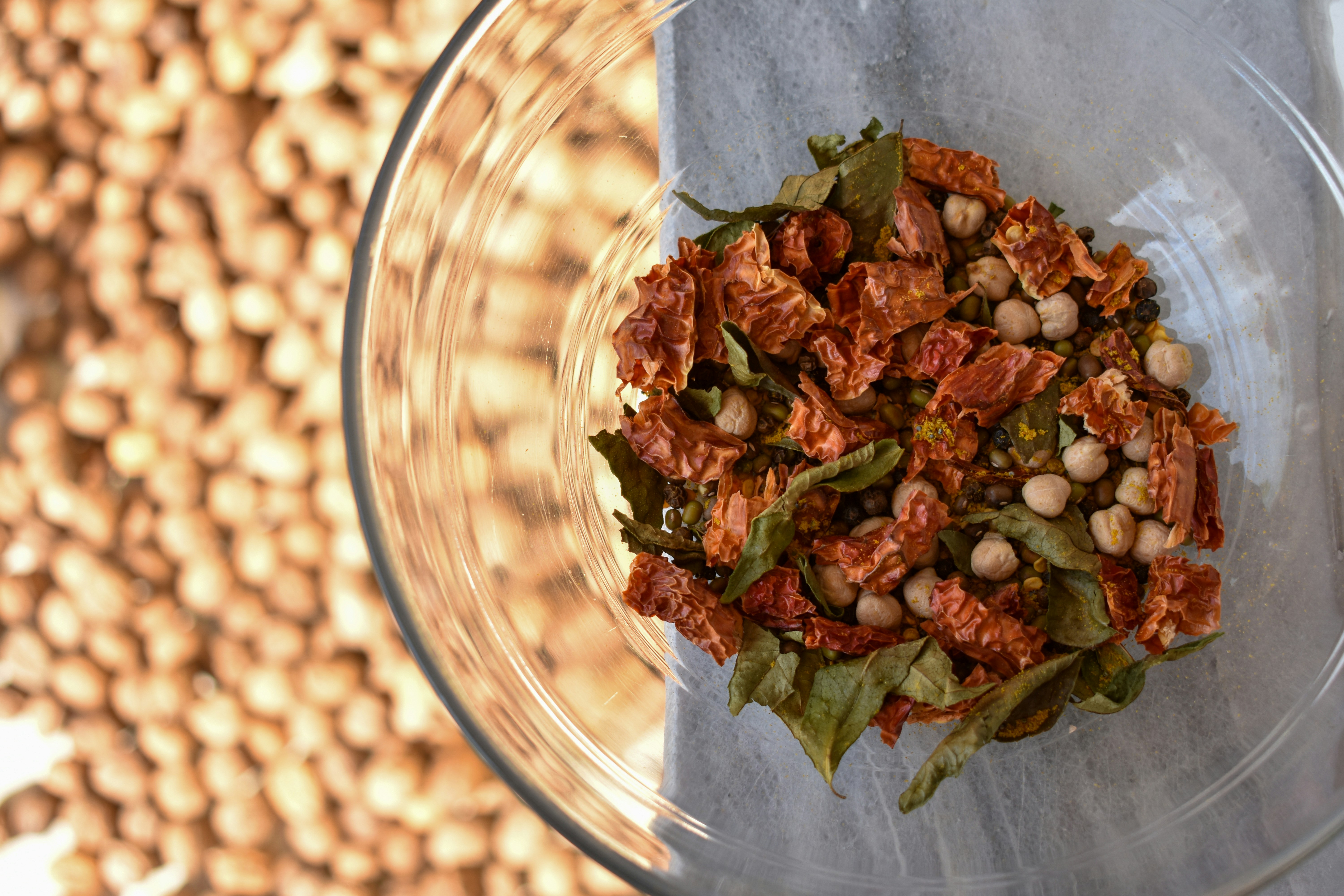
House Harissa
$18Dried chillies from Essaouira, roasted red pepper, preserved lemon, cumin. Made weekly in small batches. Freezes for 6 months.
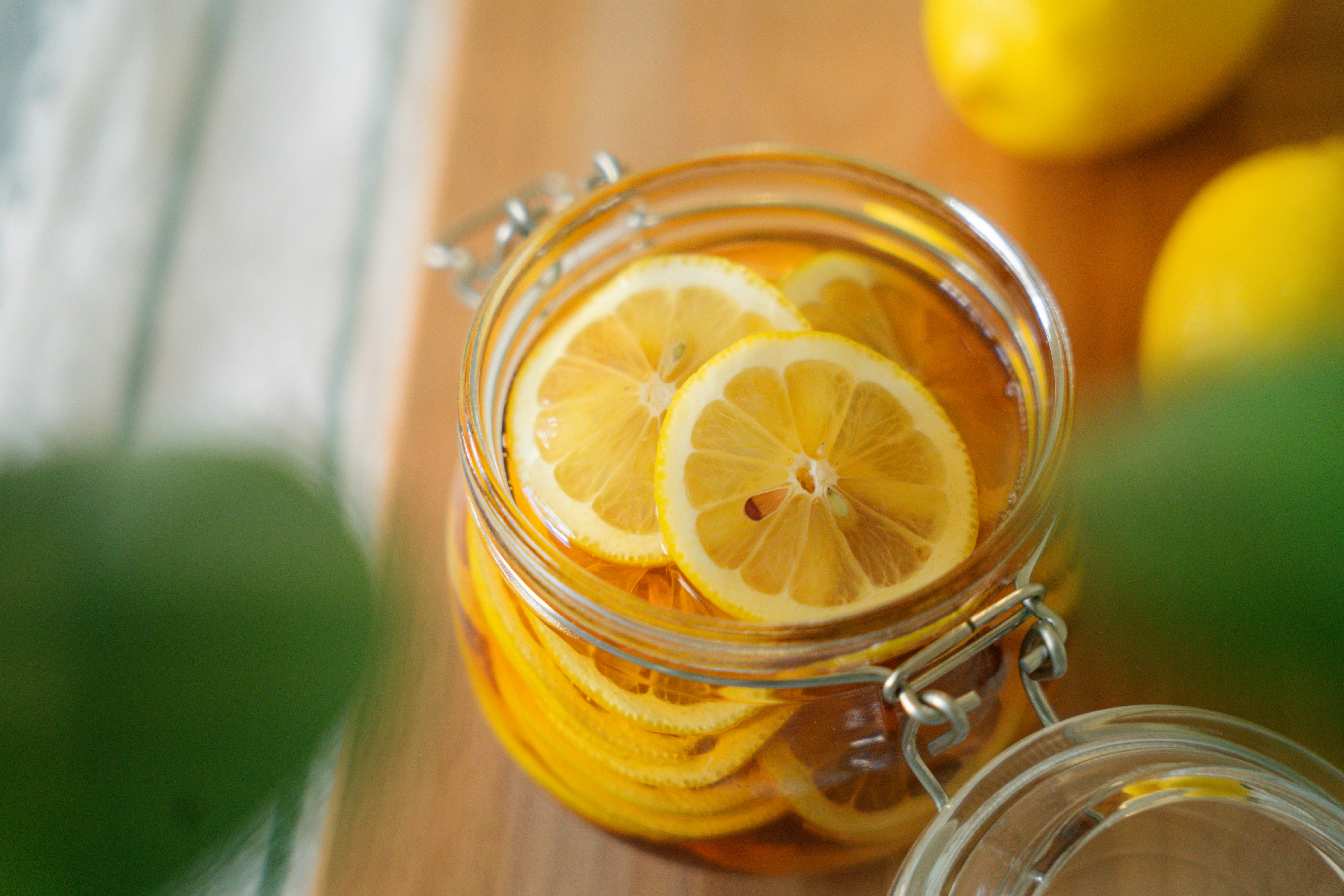
Preserved Lemons
$22Beldi lemons from Meknes, fermented 90 days in Saïss salt brine with bay leaf and black peppercorn. The only preserved lemon worth using.
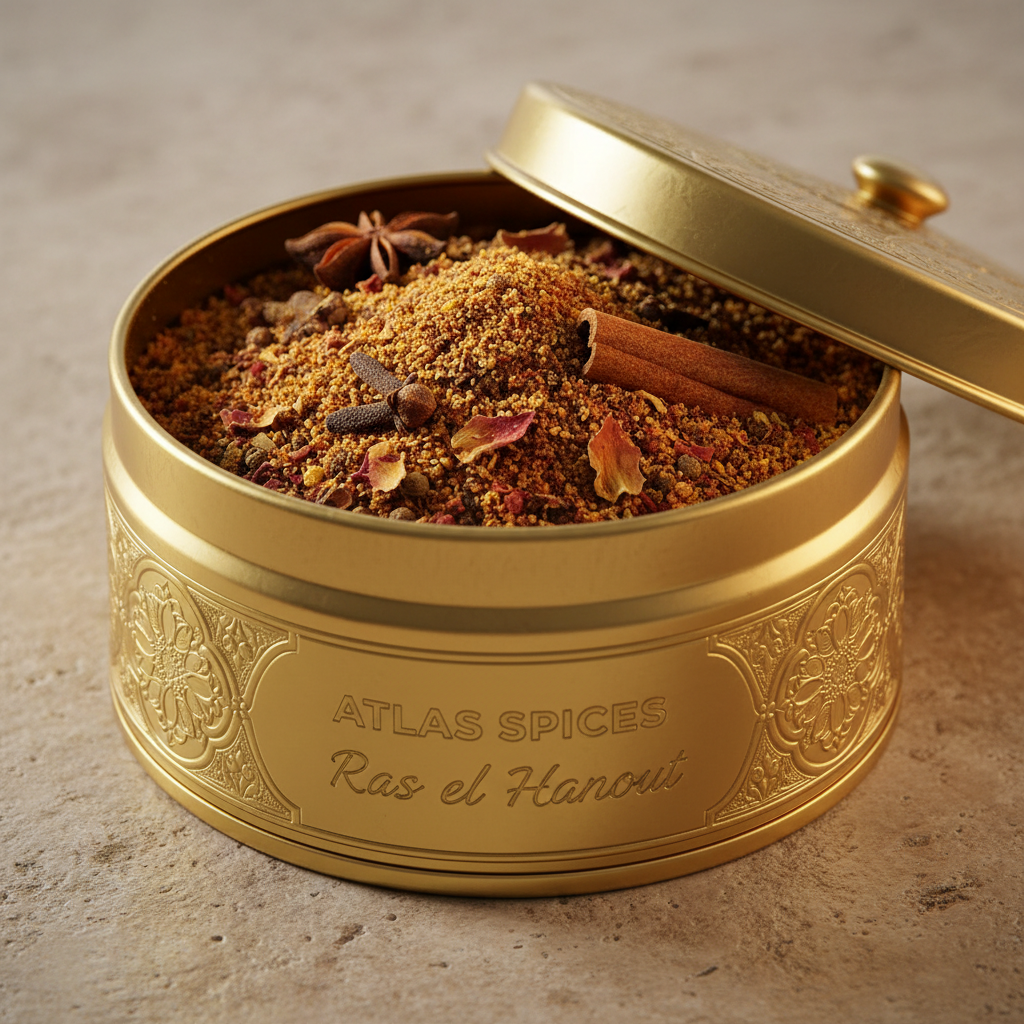
Ras el Hanout
$2827 spices. Rose petals, cardamom, mace, dried ginger, cinnamon, cubeb pepper. Ground to order. Grandmother Fatima's proportions.
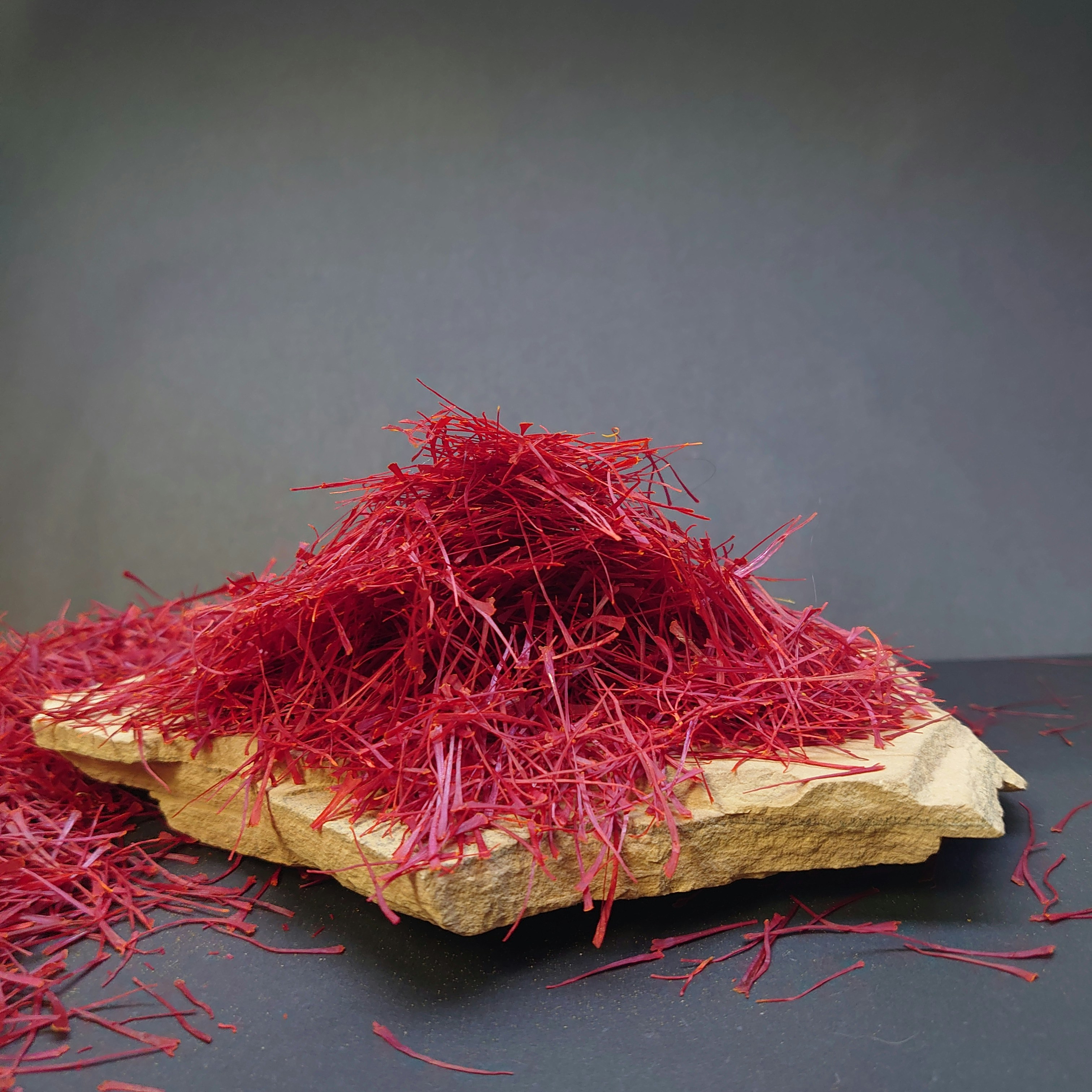
Taliouine Saffron
$34Protected Geographical Indication. Sourced directly from the Souktana cooperative. 0.5g of dried stigmas — enough for 6 tagines or 4 risottos.
Hours per tagine
Flowers per gram of saffron
Spices in ras el hanout
Seats in the cedar room
The table is set.